The Other Side of Japan: Discovering the Remote Villages of Tohoku
Beyond the neon of Tokyo and the temple paths of Kyoto lies a region where Japan breathes in long, quiet rhythms. Tohoku—the country’s vast, mountainous northeast—is a patchwork of beech forests, hot-spring hamlets, fishing coves, and farm villages that keep old stories alive. Come here for clear air, deep seasons, and the kind of hospitality that happens around low tables and steaming bowls, not on souvenir streets.
Where Japan Feels Wide and Wild
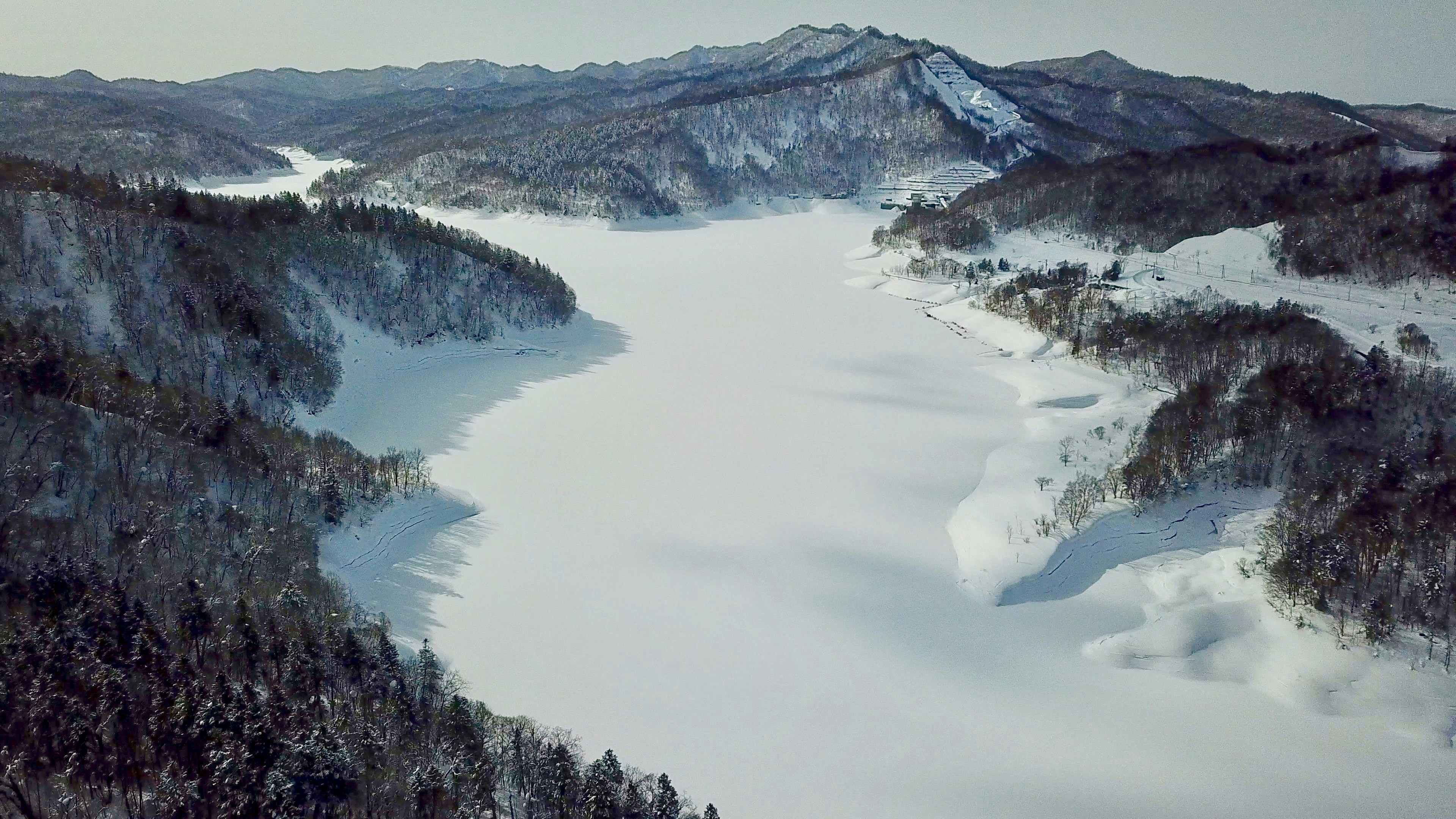
Stretching across six prefectures—Aomori, Iwate, Akita, Miyagi, Yamagata, and Fukushima—Tohoku is framed by the Pacific’s rias coast to the east and rugged ranges to the west. Lakes lie in volcanic calderas, rice paddies ladder green hillsides, and winter drapes entire valleys in snow. It is a place of primeval beech forests like Shirakami-Sanchi, of cold, clear rivers, and of villages that still move to the pulse of planting, harvesting, and seasonal festivals.
Villages to Anchor Your Journey
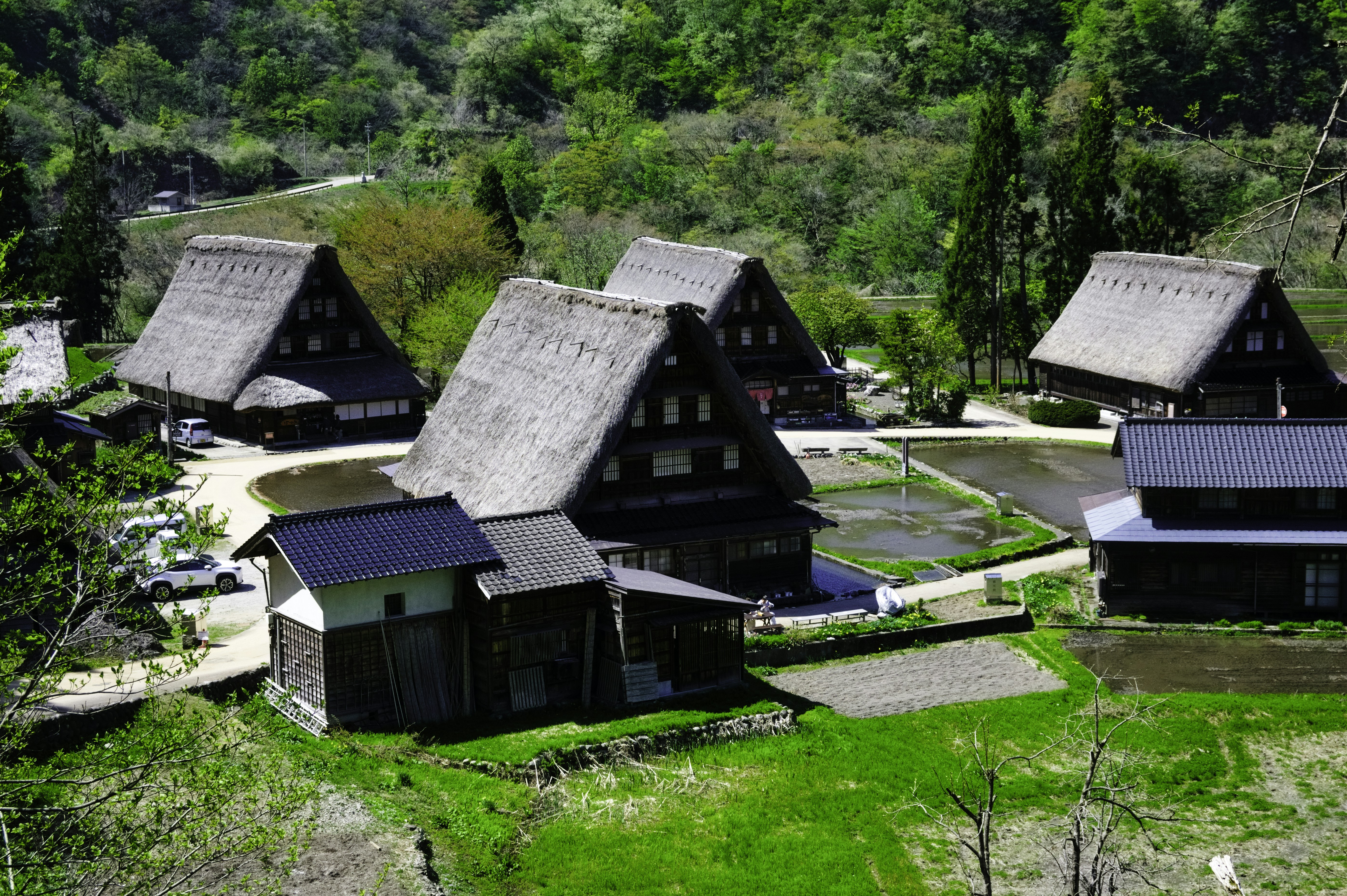
In Fukushima’s Aizu region, Ouchi-juku preserves an Edo-period post town of thatched roofs and earthen lanes. Lunch is negi soba, eaten with a leek stalk in place of chopsticks, and the surrounding hills turn copper in autumn. To the north in Miyagi, Naruko Onsen steams gently in a wooded valley. Here, kokeshi doll workshops tap out a soft, rhythmic music, and innkeepers point you toward unmanned rural stations and misty footpaths.
Aomori’s Aoni Onsen, nicknamed “the Lamp Inn,” is a riverside hideaway lit by warm lamps and surrounded by forest. Nights here are for listening to water on rock and the soft slide of shoji doors. Across the mountains in Akita, Nyuto Onsen is a scatter of rustic lodges with milky springs tucked among beeches near Lake Tazawa; you pad between baths in yukata while snow collects on the eaves.
In Iwate, the farm town of Tono spreads across gentle fields. Magariya L‑shaped farmhouses, folk tales of kappa water sprites, and mossy shrines give the area an old-soul feel. Yamagata’s Ginzan Onsen, a compact silver-mining village turned hot-spring town, is all timber balconies and lamplight reflected in a clear stream—particularly magical in falling snow. Along Akita’s Oga Peninsula, fishing hamlets keep the Namahage tradition alive, where fearsome straw-clad visitors make winter rounds to ward off laziness and bring luck.
Seasons and the Art of Slow Travel
Winter is Tohoku’s most defining season: snow country quiets roads, and baths steam under frosted cedars. Spring arrives late; cherry blossoms can peak from late April into May, when mountain villages are still edged with snow. Summer brings cool forests and festivals—lantern floats in Aomori, pole lanterns in Akita—while the Sanriku coast fills with sea mist and wildflowers. Autumn is the great pageant: beech and maple flame along Oirase Gorge and Hachimantai, and farmers hang harvested rice to dry beside country lanes.
Food That Tastes of Place
Meals in Tohoku are hearty, seasonal, and rooted in necessity. In Akita, kiritanpo—pounded rice grilled on cedar skewers—slides into chicken and mushroom hot pots. Yamagata’s imoni is a riverside taro-and-beef stew that marks the turn to autumn. Iwate’s wanko soba, served in quick-fire small bowls, is a playful countryside challenge. Coastal towns shape sasakamaboko fish cakes, while Sendai’s gyutan, charcoal-grilled beef tongue, pairs beautifully with local sake. Aizu contributes delicate kozuyu soup and proud lacquerware bowls; Aomori’s apples sweeten everything from pies to sparkling cider.
Craft, Folklore, and Living Traditions
Craft here is not staged; it’s continuous life. In Naruko and nearby Togatta, kokeshi masters turn head and body from a single block of wood, painting flowers in calm, steady strokes. Aizu-nuri and Tsugaru-nuri lacquerware layer color over weeks to a depth that looks almost wet. In summer, villages near Inakadate turn rice paddies into vast living murals. Tono’s folktales, passed down by storytellers, keep river spirits and mountain gods close to daily chores.
Coastal Paths and Quiet Resilience
The Sanriku coast, deeply indented and sparkling, has rebuilt with dignity since 2011. Walking sections of the Michinoku Coastal Trail reveals fishing coves, pine headlands, and inns where dinner comes from the boat that morning. Memorial sites and small museums—such as preserved school buildings in Sendai’s Arahama district and centers along the Iwate shoreline—invite thoughtful visits that support local guides and keep community memory alive.
How to Get There and Around
From Tokyo, the Tohoku Shinkansen reaches Sendai in about 90 minutes, Morioka in a little over two hours, and Shin-Aomori in roughly three. Branch lines reach Yamagata and Akita. The JR EAST PASS (Tohoku area) offers flexible, cost-effective travel days over a two‑week window. Once in the countryside, local trains thin out; buses are dependable but infrequent. Renting a car opens valleys and trailheads—book snow tires in winter, and check mountain pass closures. Navigation apps and station tourist offices are invaluable for up-to-date timetables.
Staying in Villages
Choose small ryokan, minshuku family inns, or renovated kominka farmhouses. Rooms are simple and warm, with futons and thick quilts in winter. Dinner and breakfast are often included and served early; arrive by late afternoon. Many rural baths are shared and gendered—rinse thoroughly before soaking, and ask about private bath slots if you prefer. Cash is still useful, mobile coverage can be patchy, and a few basic Japanese phrases go a long way.
Responsible Travel in Tohoku
Travel slowly, stay longer, and spend directly with family-run inns, guides, and craft studios. Ask before photographing people or private homes. Keep drones grounded unless you have clear permission. Stick to paths through rice fields and forests, and take litter out with you. In hot-spring towns, follow local etiquette and keep voices low at night—sound carries in quiet valleys.
A Simple Seven-Day Outline
Begin in Sendai and slip to Naruko Onsen for kokeshi and valley walks. Cross to Ginzan Onsen for a night of riverside lamps, then head south to Ouchi-juku and Aizu-Wakamatsu for lacquerware and castle history. Swing north by shinkansen to Tazawako for Nyuto Onsen’s forest baths, continue to Tono for folklore and farm roads, and finish in Aomori with a day on the Oirase stream and a night at a lamp-lit inn. At each stop, let weather and local advice decide the day.
Why Tohoku Now
Tohoku isn’t a checklist; it’s a change of tempo. The reward for coming this far is a Japan of small kindnesses and old skills, of starlit baths and quiet train platforms where the wind smells of cedar. If you’ve ever wondered what lies beyond the bullet train’s last announcement, take one more connection and listen for the river. That’s where the other side of Japan begins.