Hidden Gems of Hokkaido: Exploring Shiretoko’s Untamed Wilderness
In a country celebrated for bullet trains, lantern-lit lanes, and culinary finesse, Hokkaido’s Shiretoko Peninsula feels like the last page in a wild atlas. At Japan’s far northeastern edge where volcanoes meet the Sea of Okhotsk, this UNESCO World Heritage Site (inscribed in 2005) safeguards a rare, contiguous ecosystem of deep forests, rugged capes, and seas teeming with life.
Why Shiretoko
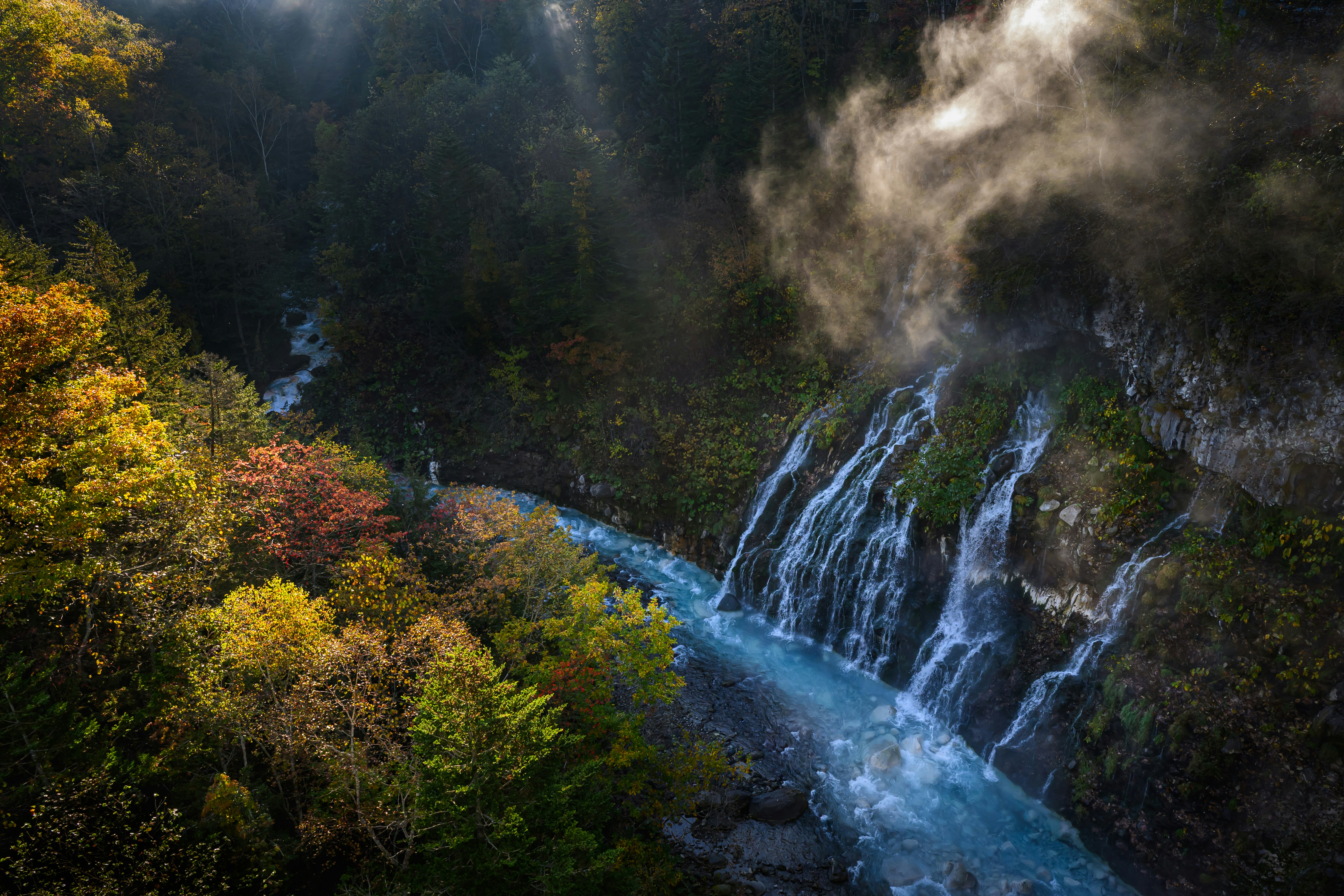
Shiretoko is where Japan shows its untamed side. Brown bears pad riverbanks for salmon runs, orcas and sperm whales slice through nutrient-rich waters, and winter ushers in drift ice that transforms the shoreline into a polar tableau. Layered atop this natural drama is Indigenous Ainu heritage and a welcoming, workaday rhythm in small ports that still feel far from the beaten path.
When to go
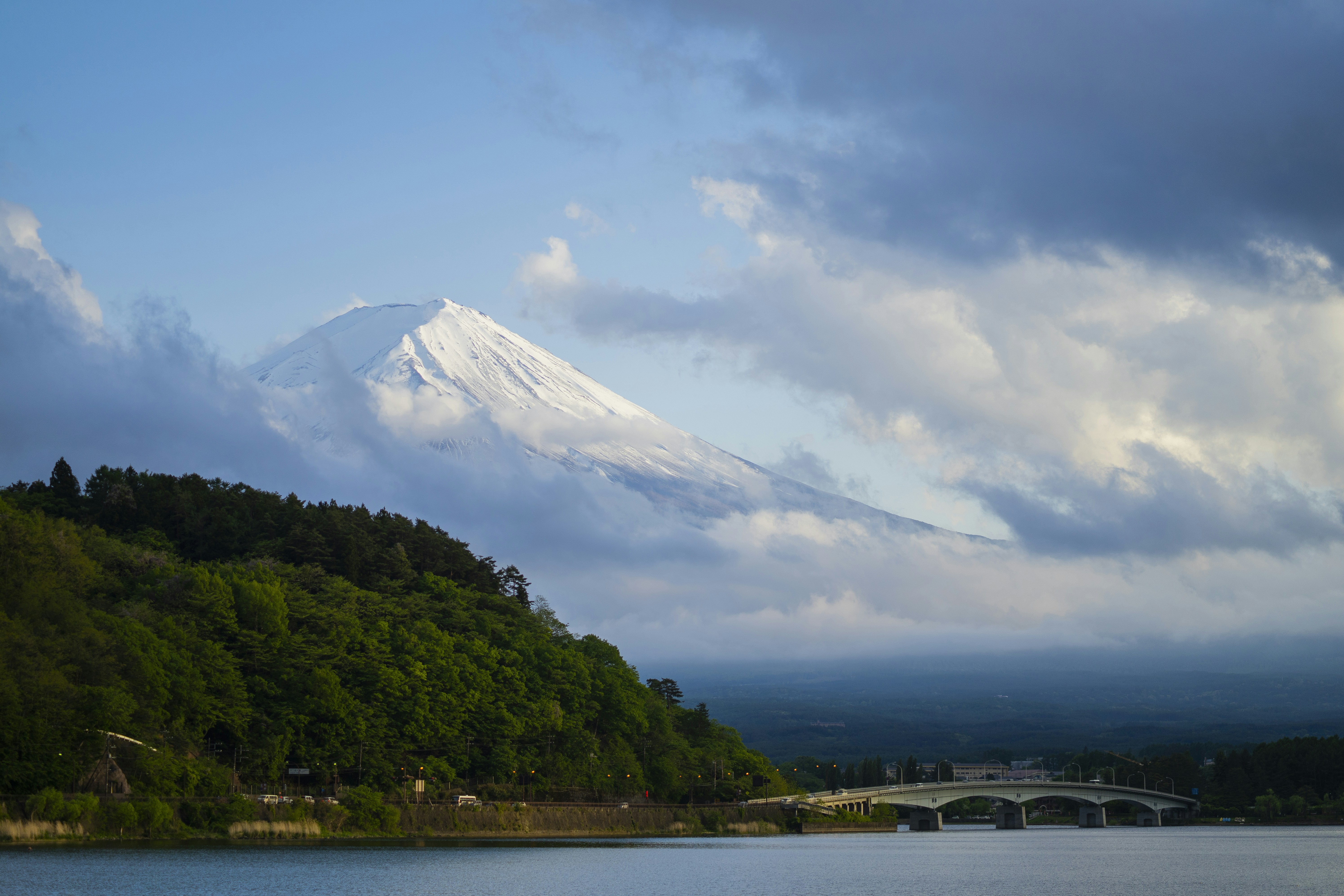
Summer (June to September) brings alpine flowers, long days, and prime hiking on peaks like Rausu-dake. Autumn (late September to October) glows with crimson birch and larch, while salmon runs animate rivers and coastal bear-viewing cruises. Winter (late January to March) is otherworldly: the Sea of Okhotsk’s drift ice invites guided ice walks and draws Steller’s and white-tailed eagles. Spring (April to May) is thaw and clarity; the Shiretoko Pass typically reopens with dramatic snow walls—always check current road and weather conditions.
Getting there
Fly into Memanbetsu or Nemuro Nakashibetsu from Tokyo or Sapporo, or take the JR Senmo Line to Shiretoko-Shari Station and continue by bus to Utoro. A rental car offers the most flexibility for trailheads, viewpoints, and onsen. Distances are modest but services are sparse; carry cash, top up fuel when you can, and monitor seasonal closures, especially in winter and during heavy fog.
Utoro and Rausu: Two gateways
On the west coast, Utoro is the classic base for sunsets, sea-cliff cruises, and the Shiretoko Nature Center. Oronko Rock towers over the harbor, and nearby Oshinkoshin Falls bursts beside the coastal road. Across the peninsula, quieter Rausu faces the nutrient-rich Nemuro Strait; small-boat excursions target orcas in early summer and eagle photography in winter, and steamy seaside baths offer a briny soak after a day on the water.
Iconic experiences
Shiretoko Five Lakes balances access and protection with an elevated boardwalk over marsh and forest; ground-level trails typically require a certified guide during peak bear activity. Kamuiwakka Hot Falls, a warm, mineral stream tumbling through the forest, offers a rare hot-spring cascade experience when open—check current advisories and tread carefully on slick rock. A short walk to Furepe Waterfall (often called Maiden’s Tears) ends at dramatic sea cliffs where deer browse quietly at dusk. Strong hikers eye the summit of Rausu-dake for sweeping views of the Kuril chain. In winter, drift ice excursions range from guided shore treks to boat trips threading the floes. For a rustic capstone, Seseki and Aidomari feature tidal hot springs at the sea’s edge; access depends on tide and weather, and local guidance is essential.
Wildlife, safely and ethically
This is bear country, home to the Ezo brown bear, alongside Ezo deer, red foxes, Blakiston’s fish owls, and seasonal marine life from Dall’s porpoises to sperm whales and orcas. Keep generous distances (at least 100 meters from bears), never feed or approach wildlife, secure food and trash, and heed all trail and area closures. On boats, choose operators who prioritize low-impact viewing and respect approach guidelines. Hiring local, certified guides enriches the experience and supports conservation-minded livelihoods.
Culture and cuisine
Shiretoko’s story is braided with Ainu culture; consider visiting local centers to learn about traditions and language that predate modern Japan. At the table, the peninsula is a feast of the north: Rausu kombu, uni, salmon, Atka mackerel, and sweet horsehair or king crab. Many inns serve set dinners that showcase the day’s catch, followed by a languid onsen soak. Hokkaido’s dairy heritage appears in silky soft-serve, often dusted with a pinch of sea salt, and local sake or craft beer pairs well with the briny, cold-water flavors.
A three-day sketch
Day 1: Arrive in Utoro, stop at the Shiretoko Nature Center for trail and wildlife updates, then walk the elevated boardwalk at the Five Lakes. Catch sunset from Oronko Rock and unwind in a seaside onsen. Day 2: Take a morning cruise along the russet cliffs toward the remote Rusha coast for waterfalls and possible bear sightings, then hike to Furepe Waterfall. Drive the Shiretoko Pass to Rausu for dinner and, if available, an evening wildlife talk or an owl-focused lodge stay. Day 3: Join a dawn boat from Rausu—whales and orcas in summer, eagles in winter—soak at Rausu or a tidal onsen, and depart via Nakashibetsu.
Practical tips
Weather swings quickly; pack layers, rain protection, and sturdy footwear. Summer insects can bite—bring repellent. Drive cautiously at night as deer and foxes frequent roads. Mobile coverage can be patchy; download maps offline. Book guides, boats, and popular inns well ahead for summer and mid-winter. Follow onsen etiquette, including rinsing before soaking and covering tattoos if requested. Before you go, check current park advisories for Kamuiwakka access, trail restrictions, the Shiretoko Pass status, and drift ice conditions.
The payoff
Shiretoko rewards patience with moments that feel primal: an eagle’s shadow sweeping the ice, a bear lifting its head from a silver river, fog shredding over a caldera rim. Within Japan’s polished mosaic, this is a rare thread left wild. Go lightly, linger long, and let the peninsula reveal itself on its own terms.