From Osaka to Koyasan: A Journey Through Japan’s Sacred Mountains
Japan is a country of vivid contrasts, where bullet trains thread neon skylines and ancient pilgrim paths disappear into cedar forests. Nowhere is that duality more tangible than in Kansai, the region anchored by Osaka’s exuberant energy and the hushed sanctuaries of Mount Koya. This journey from city to summit is both a practical itinerary and an inward arc, a way to meet Japan in motion and in stillness.
Osaka: Neon, noodles, and neighborhood altars
Begin in Osaka, a port city that wears its appetite on its sleeve. Dotonbori’s shimmering canal reflects giant signboards and the sizzle of griddles turning out okonomiyaki and takoyaki. Kuromon Market is a morning parade of seasonal produce and skewers hot off the grill. Yet amid the bustle, sanctuaries endure. Shitenno-ji, founded in the 6th century, lays out a classical temple plan in the heart of the metropolis. Sumiyoshi Taisha’s vermilion bridges arch over ponds where turtles patrol like tiny priests. This is Osaka’s charm: boisterous streets that yield, in a turn or two, to the quiet ring of a temple bell.
The pilgrim’s way begins
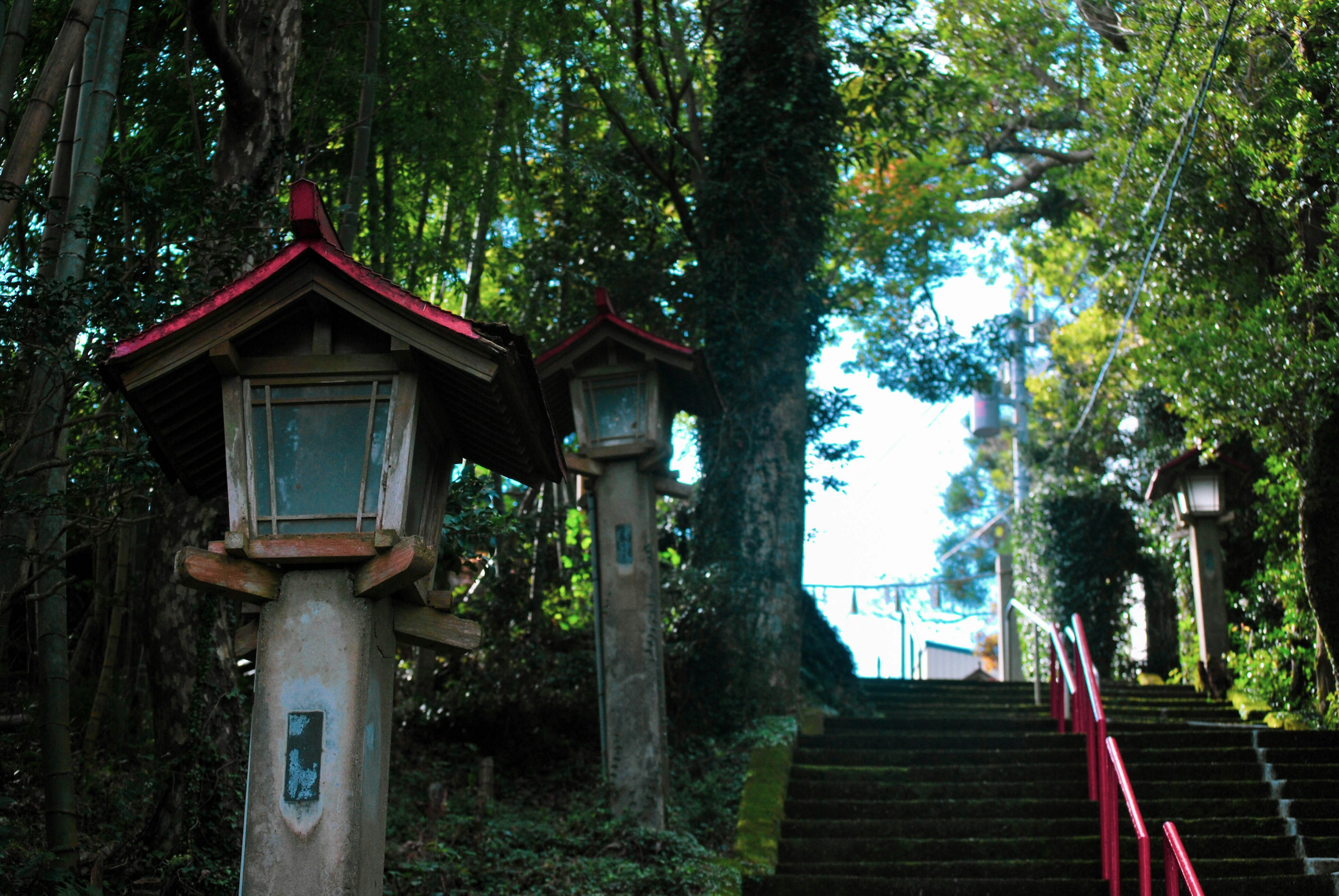
From Namba Station, the Nankai Koya Line trades urban sprawl for river valleys and terraced hamlets. As the train climbs toward Gokurakubashi, windows fill with cedars and slate roofs. A short cable car then lifts you onto the Koyasan plateau, where cool air and the scent of resin announce your arrival. In under two hours, you pass from streets of lantern-lit eateries to a highland town of monks’ cloisters and moss-cloaked stones.
Koyasan: Summit of Shingon Buddhism
Founded by the monk Kobo Daishi in 816, Koyasan is the spiritual heart of Shingon, an esoteric school of Buddhism. The settlement sits in a natural basin ringed by eight peaks, a mandala made landscape. Wooden temples line the main road, incense threads the air, and towering cryptomeria trees hush the town’s edges. It is a living monastery and a welcoming base for travelers, recognized by UNESCO as part of the Sacred Sites and Pilgrimage Routes in the Kii Mountain Range.
Okunoin and the path of lanterns
Okunoin is Koyasan’s most affecting place, a forest cemetery where centuries of moss, stone, and prayer have braided together. The approach path, lined with ancient cedars, passes thousands of memorials from samurai to poets to modern craftspeople. Lanterns flicker at dusk as you near the Hall of Lamps and the inner sanctuary dedicated to Kobo Daishi, believed to be in eternal meditation. Walk softly, speak little, and resist photography in the consecrated core. The silence becomes part of the architecture.
Danjo Garan and Kongobu-ji
At the Danjo Garan complex, the vermilion Konpon Daito pagoda rises like a three-dimensional mandala. Nearby halls frame the mountain sky, their eaves notched with centuries of weather. Kongobu-ji, the head temple, shelters painted screens of cranes and pines and a vast raked-stone garden known as Banryutei. Ask for a goshuin, a calligraphed temple seal, and you leave with inked proof that places can mark us as surely as we mark them.
Stay in a shukubo
Temple lodgings offer a window into monastic rhythm without pretense. Tatami rooms are simple and immaculate, futons unfurl at dusk, and baths steam under cedar beams. Evenings bring shojin ryori, an elegant vegetarian cuisine built on sesame tofu, mountain vegetables, and delicate broths. Dawn prayers and, at some temples, a fire ceremony invite quiet participation. Expect an early curfew and earlier wake-up; the reward is a night held inside stillness.
Connecting sacred landscapes: the Kumano Kodo
From Koyasan, the Kii Peninsula opens onto further pilgrimage. Trails and bus links connect to the Kumano Kodo, where paths weave through tea fields and ravines toward the grand shrines of Hongu, Nachi, and Hayatama. At Nachi, a ribbon of water drops beside a vermilion pagoda, an image that seems to condense Japan into color and form. Soak in hot springs like Yunomine and follow stone steps smoothed by pilgrims from centuries past. The journey need not be extreme to be profound.
Seasons on the mountain
Spring arrives later at altitude, with cherry and wild cherry trees blooming after the cities have turned green. Summer is cool and mist-prone, a respite from Kansai’s heat. Autumn is Koyasan’s grand season, when maples ignite lanes and temple gardens in late October and November. Winter sprinkles snow that hushes the forest and makes lantern light glow warmer. Pack layers, a rain shell, and good walking shoes any time of year.
Practicalities and getting there
Fly into Kansai International Airport and take a train to Namba. The Nankai Koya Line runs frequent services; from Gokurakubashi, the cable car meets arriving trains. On the plateau, local buses link the cable car station with main sights and temples, and a day pass can simplify travel. Consider the Koyasan-World Heritage Ticket for bundled transport and discounts. Luggage forwarding services help you travel light; cash is useful for small shops and temple donations, though cards are increasingly accepted.
Etiquette essentials
Remove shoes at thresholds where slippers are provided. Dress modestly in temples and keep voices low. In communal baths, rinse before soaking and leave towels out of the water. Do not point with chopsticks or plant them upright in rice. Photography is often restricted in sanctuaries; look for signs and when in doubt, ask. A small bow goes a long way.
Food along the way
Eat your way across Kansai’s spectrum. In Osaka, graze on street stalls and counter seats where chefs flip okonomiyaki and brush tare on yakitori. On the mountain, slow down for shojin ryori, goma tofu with a whisper of wasabi, and koya-dofu, a local freeze-dried tofu that drinks in broth like a sponge. Warm up with matcha and wagashi, then toast the day with a glass of Wakayama sake or yuzu liqueur.
A wider Kansai arc
Koyasan pairs naturally with Kyoto’s temple districts and Nara’s ancient court, each a chapter in Japan’s spiritual and artistic story. Where Kyoto refines and preserves, Koyasan concentrates and distills. Together with Osaka, they sketch a triangle of experience that makes the region a compelling first journey or a deep return.
Why this journey matters
Traveling from Osaka to Koyasan is a lesson in pace. It begins with the hum of trains and the clatter of chopsticks and ends in footfalls on a lantern-lit path. The sacred mountains are not apart from Japan’s modern life but braided into it, reminding you that clarity is often a matter of climbing a little higher and listening a little harder. When you descend, the city will sound different. The quiet comes with you.