Beyond Tokyo: Discovering the Tranquility of Okutama
Japan is celebrated for its neon skylines, bullet trains, and cutting-edge culture, yet its soul is equally rooted in cedar forests, mountain shrines, and rivers that braid through quiet valleys. Nowhere is this contrast more vivid than in Okutama, a green, mountainous corner at the far western edge of Tokyo Prefecture. Within a couple of hours from the capital’s busiest stations, you can trade skyscrapers for larch-scented trails and river mist, discovering a slower Japan that has shaped the country’s traditions for centuries.
Where is Okutama?
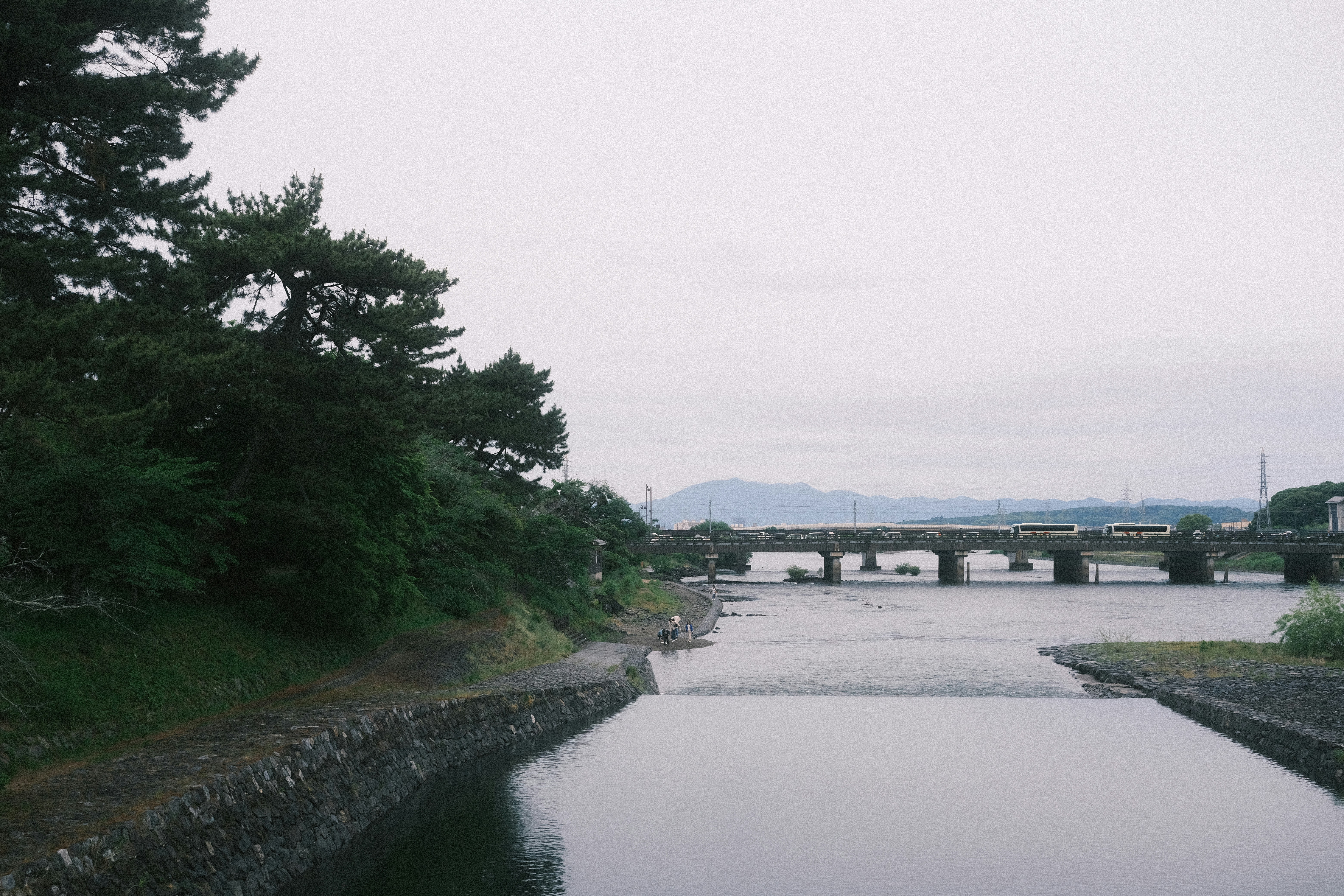
Okutama sits in the upper Tama region, where Tokyo blends into the Chichibu-Tama-Kai National Park—a vast protected area spanning four prefectures. Here, crumpled mountains rise above jade rivers and terraced hamlets. The town of Okutama hugs the Tama River and the shores of Lake Okutama (the Ogouchi Reservoir), a dramatic, fjord-like lake feeding much of Tokyo’s water. This is Tokyo, but it does not feel like the city; instead, it is a gateway to the satoyama landscape—those lived-in edges of forest and field that have long sustained Japanese life.
Getting there

From central Tokyo, take the JR Chuo Line west toward Ome, then continue on the JR Ome Line to Okutama Station. The ride typically takes around two hours from Shinjuku, and IC cards like Suica and PASMO are accepted. From Okutama Station, local buses connect you to trailheads, Lake Okutama viewpoints, Nippara Limestone Cave, and onsen. Services are infrequent compared with the city, so check return times—especially on weekdays and in winter.
When to visit
Spring brings cherry blossoms along the Tama River and fresh, almost electric green foliage in April and May. Summer is lush and cool by the water; canyoning and rafting thrive on warm days. Autumn is the headline season: maple and beech forests flare crimson and gold from late October to mid-November. Winter is crisp, quiet, and beautiful after snowfall—some higher trails may require microspikes, and certain facilities reduce hours, but clear views stretch for miles.
What to see and do
Lake Okutama: The serpentine reservoir is framed by steep forested ridges and photogenic bridges. Bus routes trace the lake’s shore to viewpoints near Ogouchi Dam. Stroll the dam area for sweeping vistas and interpretive displays on Tokyo’s waterworks, or hike short paths that dip into the forest.
Okutama Mukashi Michi: This nine-kilometer “Old Road” links Okutama Station with the dam via a gentle, waymarked trail. It passes shrines, vine-wrapped suspension bridges, stone statues, and pockets of village life—an ideal introduction to the region’s history without demanding mountain ascents.
Hatonosu Gorge: Near Hatonosu Station, the river squeezes between polished boulders, forming pools that glow turquoise in good light. A riverside footpath and bridges offer easy access to rapids and quiet eddies where dippers and kingfishers hunt.
Nippara Limestone Cave: One of the Kanto region’s largest caves, Nippara (Shonyudo) is a cool, cathedral-like world of stalactites and flowstone. It’s reachable by bus from Okutama Station; bring a light jacket year-round, as the cave stays chilly. The surrounding valley is particularly striking in autumn.
Mount Mitake and Mountain Faith: A short train ride down the line leads to Mitake, where a bus and cable car carry you to the ridge-top village and Musashi-Mitake Shrine. The area is famed for mossy cedar forests, rock gardens, and old pilgrim paths. Loop hikes connect waterfalls and viewpoints, and traditional lodgings welcome guests with vegetarian temple cuisine and mountain hospitality.
Tokyo’s Highest Peak: Seasoned hikers can aim for Mount Kumotori (2,017 m), a full-day or overnight trek marking the capital’s high point. Expect long ascents, broad views over serrated ranges, and, on the clearest days, a cameo of Mount Fuji. Mountain huts operate seasonally—check conditions and bookings in advance.
Riversports and Forest Time: Outfitters in the Mitake–Okutama corridor offer rafting, kayaking, and canyoning, especially from late spring through autumn. Families can opt for guided nature walks, short waterfall hikes, or riverside picnics. Even a simple amble along the Tama River’s pebble bars reveals dragonflies, wildflowers, and the quiet rhythms of rural life.
Onsen and unwinding
Few pleasures match soaking in a hot spring after a day on the trail. Near Okutama Station, Moegi-no-Yu offers indoor and open-air baths with river views. Remember basic etiquette: wash thoroughly before entering, keep towels out of the water, speak softly, and expect gender-separated baths. In cooler months, lingering in an outdoor tub while steam spirals into the cedars feels quintessentially Japanese.
Local flavors
Mountain cuisine leans on clear water and foraged ingredients. Soba noodles, often handmade, appear with grated yam (tororo) or mountain vegetables (sansai). Wasabi grows in shaded creek beds; try it freshly grated with simple fare to appreciate its floral heat. River fish like ayu and iwana are salt-grilled over charcoal, crisp-skinned and delicate. Downline in Ome, traditional breweries craft sake; tastings pair well with a riverside stroll.
Staying the night
While many visitors come for a day trip, Okutama rewards an unhurried pace. Choose from family-run ryokan, simple guesthouses, and campgrounds tucked along forested valleys. Staying over lets you savor dawn mist on the river, empty trails at first light, and starry skies unthinkable in downtown Tokyo. In hiking season, mountain huts near the high ridges offer rustic beds and hearty meals—book ahead.
Practical tips and responsible travel
- Weather shifts quickly in the mountains. Bring layers, rain gear, and sun protection, and check trail advisories—heavy rain can close paths or prompt dam releases that raise river levels.
- Wildlife includes deer, monkeys, and Asiatic black bears. Make noise on quieter trails, carry a small bell if you have one, and never leave food scraps.
- Services are limited. Some cafés and small shops close midweek or off-season, and mobile signal can be spotty in valleys. Carry cash for rural buses, small eateries, and admission fees where cards may not be accepted.
- Pack out all trash. Rural Japan is immaculate not by accident but by habit. Toilets are available at stations, trailheads, and visitor facilities; bring tissues and hand sanitizer just in case.
A one-day taste of Okutama
Leave Shinjuku around 7:30 a.m. to reach Okutama by mid-morning. Warm up on the Okutama Mukashi Michi, pausing at suspension bridges and small wayside shrines. After lunch near the station, catch a bus to Hatonosu Gorge for an hour along the river. Soak at Moegi-no-Yu as the light softens, then ride the evening train back to the city. If you have another day, add Nippara Cave or the Mitake ridge walk to a shrine that seems to float among clouds.
Okutama as a window into Japan
Beyond the gleam of Tokyo’s towers, Japan’s quieter stories unfold in places like Okutama—where cedar scent lingers on the air, where stone statues gather moss, and where water shaped both landscape and livelihood. By stepping into these mountains, you glimpse the balance at the heart of the country: reverence for nature, careful craftsmanship, and the gentle hospitality that turns a simple hike, a bowl of soba, or a hot spring soak into lasting memory.