A Journey Through Vietnam's Forgotten Villages
Between Vietnam’s kinetic cities lies a quieter world of lanes shaded by banyans, stilt houses perched above green water, and courtyards that smell faintly of woodsmoke and ripe jackfruit. To wander the country’s villages is to trace the original lines of Vietnamese life: the craft and rice cycles that predate boulevards and coffee chains, the melodies and rituals that have kept communities stitched together through war and weather. This journey moves north to south, skirting highways in favor of footpaths, and offers an invitation to slow down and listen.
Under the banyan tree: Northern craft hamlets
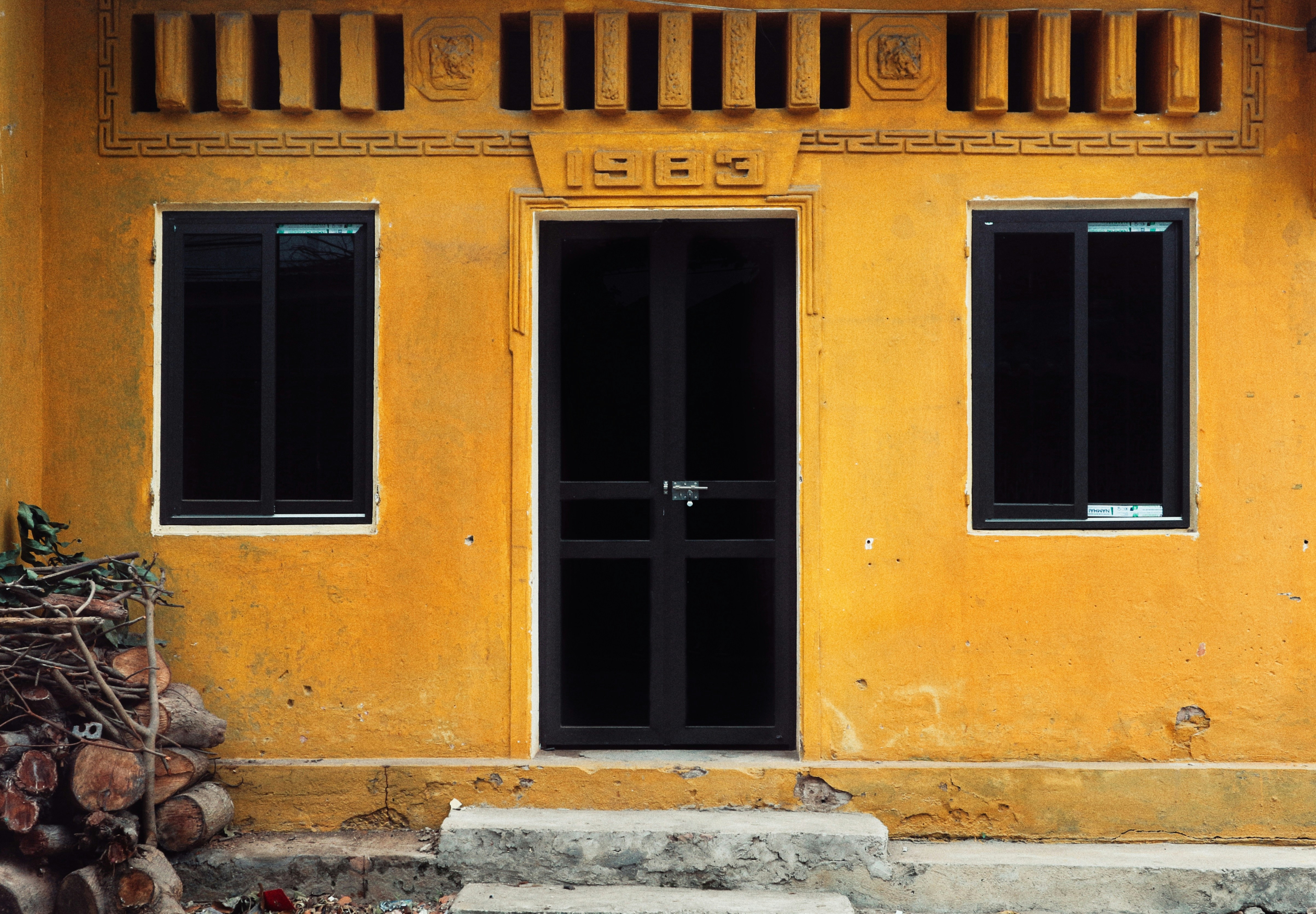
The Red River Delta, cradle of Viet civilization, unfolds in a patchwork of rice paddies and brick-walled villages connected by dikes and canals. In places like Duong Lam, time lingers on laterite lanes, in the cool shade of thousand-year-old banyans, beside communal houses where villagers once gathered to discuss harvests and festivals. Nearby hamlets such as Tho Ha and Dong Ho still air-dry rice paper on bamboo racks and print folk paintings that appear each Lunar New Year. Step through the gate of a village đình, and you enter a space where carpentered beams have absorbed centuries of smoke and prayer. The rhythm here is human-scale: the call of a street vendor, the squeak of a bicycle, the afternoon thud of a mortar pounding sesame and peanuts into sweet kẹo lạc.
Stone and indigo on the karst frontier
Farther north, mountains rear into a stone sea along the Chinese frontier. In Hà Giang, Hmong, Dao, and Lô Lô villages stitch the slopes with terraced maize and rice, their homes built from stacked limestone and earthen walls. In Sung La’s Lũng Cẩm, hemp is spun and dyed in indigo vats that stain fingertips the color of midnight. Market days pull scattered households into valley towns where embroidered jackets flash like wildflowers and conversations tumble between languages. Paths here are steep, but the hospitality is level ground: a cup of corn wine pressed into your hand, a place by the hearth while wind fingers the bamboo eaves.
Lakes, rice and Tày stilt houses
At Ba Bể Lake, the world turns to water and wood. The Tày village of Pác Ngòi stretches along the shore, its houses lifted on stilts above gardens of banana and taro. From a wooden veranda, you watch dugout boats stitch silver paths across the lake at dawn. Meals are communal: sticky rice steamed in forest leaves, river fish grilled over embers, bamboo shoots bright with herbs. Nights carry the thin, moving lines of then folk songs, and a mist rises that blurs water and sky into one.
Central Vietnam’s river villages and ancient homes
As the country narrows, the wind picks up salt and history. North of Huế, Phước Tích lies beside the Ô Lâu River, a treasury of carved wooden houses set in orchards of pomelo and areca palm. Crafts here are quiet miracles—pottery fired without kilns of brick, roof tiles laid like fish scales, gardens edged with tea bushes. In nearby hamlets, tile-roofed bridges curve low over irrigation canals and morning markets brim with freshwater snails and bunches of rau răm. The central coast has known both storms and empires; its villages wear that resilience like a well-mended áo dài, beautiful because it endures.
Echoes of gongs in the Central Highlands
Climb to the basalt plateaus and you hear a different heartbeat. Around Kon Tum, Bahnar and Jarai communities gather beneath sky-piercing communal houses called rông, where the roofline seems to chase clouds. Evenings can swell with the layered thunder of gongs, a UNESCO-recognized heritage that speaks to forest spirits and family ties. Westward in Đắk Lắk, Ê Đê longhouses stretch like wooden boats moored to the earth, with matrilineal stories carved into their beams. Coffee grows thick on red soil, but village time still moves with the sun, the drying of peppercorns, the thrum of loom and mortar. Visitors are guests, not audiences; music is shared when there is reason, not schedule.
Cham artisans of sun-baked Ninh Thuận
South of the Hai Van Pass, the land grows drier and the light turns hard and clean. In Ninh Thuận, Cham villages such as Bàu Trúc and Mỹ Nghiệp carry artistry across centuries. Potters here shape clay by walking around a fixed lump, hands coaxing vessels to life without a wheel; weavers work bright, geometric patterns into cloth that tells of lineage and ceremony. A red-brick tower stands over the fields, a reminder of the Champa kingdoms that once controlled these coasts. Watch long enough and you see how heritage is not museum-still; it moves in the cadence of daily work.
Mekong backwaters and Khmer pagodas
The Mekong Delta loosens the land into a maze of waterways. Here, the boundaries of village and river blur: gardens on stilts, fruit-laden boats, floating fish farms anchored to the current. In Trà Vinh and Sóc Trăng, Khmer pagodas rise in curving gold and saffron, their courtyards echoing with the clack of palm-leaf fans. Up in An Giang, Cham communities knit bright scarves in stilted houses above the Hau River, while the call to prayer carries across the water at dusk. Meals are river-bright: sour tamarind soup with snakehead fish, lotus stem salad, coconut-scented sweets. And when night falls, a circle of friends may lift the plaintive strings of đờn ca tài tử, the Delta’s own chamber music.
Along the coast where nets glitter at dusk
From the lagoons of Tam Giang to the wind-gnawed capes of Phú Yên, fishing hamlets meet the East Sea with a mixture of grit and grace. Coracles roll like coins on the surf; nets unfurl and catch the last light as if gathering stars. Villages survive on tides and timing, mending gear in alleys perfumed by nuoc mam, hanging squid to dry like paper lanterns. Travelers who stay by the shore learn the humble drama of a working dawn and the comfort of a lunch cooked minutes from the water.
Traveling thoughtfully
Village travel rewards slowness and care. Ask before photographing people, remove shoes when you step onto a wooden threshold, dress modestly in temples, and learn a few words—xin chào and cảm ơn go further than you think. Choose homestays and community-run guides that keep money local; skip exploitative activities such as wildlife rides; trade candies for school supplies when offering gifts. The north has crisp air and golden paddies from late September to November and again in March and April; the central coast is driest from February to August; the Delta is gentlest from December to April, with high-water drama around September and October. Vietnam’s Reunification train stitches the country together if you prefer windows to deadlines; motorbikes reach valleys buses cannot, but roads demand patient, defensive riding.
Why the villages matter
Cities tell you where a country is going; villages tell you where it came from. In Vietnam’s hamlets, history is not a plaque but a practice—woven into mats and melodies, stored in jars of fermented soy and in the respectful tilt of a conical hat. To visit is not to fix something in nostalgia but to witness living knowledge and, with luck, to carry a little of its steadiness onward. You leave with the taste of river fish and green rice on your tongue, and with the sense that in a restless world, there remain places calibrated to human time, unforgotten if you take the time to look.